




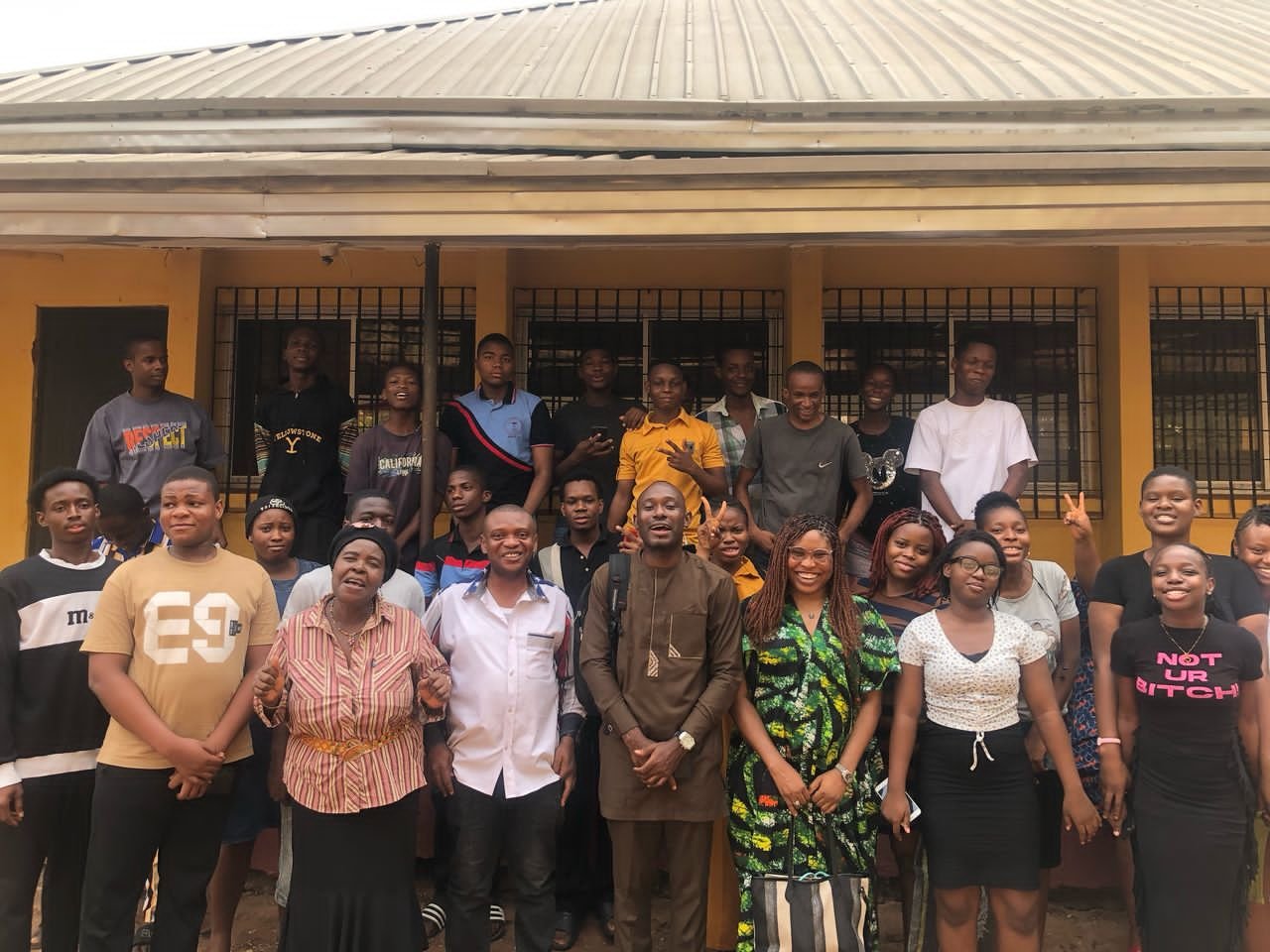

Community Outreach and Sensitization Programs: A Path to Drug Abuse Prevention
Drug abuse remains a pressing issue affecting individuals, families, and communities worldwide. While treatment and rehabilitation are essential, prevention through community outreach and sensitization programs plays a crucial role in reducing the impact of substance abuse. These initiatives empower individuals with knowledge, foster supportive environments, and create lasting change. In this article, we explore how education and awareness efforts can make a difference in preventing drug abuse and promoting healthier communities.
The Importance of Drug Abuse Prevention Programs
Prevention is always better than cure, especially when it comes to drug abuse. Community-based programs focus on addressing the root causes of substance abuse before they escalate into addiction. By targeting at-risk populations, particularly youth, these initiatives help build resilience and provide alternatives to drug use.
Why Prevention Matters
Drug abuse prevention programs are vital because they:
- Reduce the likelihood of individuals experimenting with drugs
- Equip communities with tools to recognize early warning signs
- Promote healthy lifestyle choices as alternatives to substance use
- Lower the social and economic costs associated with drug use and addiction
The Role of Education in Prevention
Education serves as the foundation of effective prevention strategies. When individuals understand the risks associated with drug abuse, they are more likely to make informed decisions. Schools, community centers, and organizations like ours play a pivotal role in delivering evidence-based drug education programs.
Key Components of Effective Outreach Programs
Successful drug abuse prevention initiatives share several common elements that maximize their impact. These components ensure programs resonate with their target audiences and create measurable change.
Community Engagement
Effective programs actively involve community members in their design and implementation. This participatory approach ensures initiatives address local needs and cultural contexts. Examples of community engagement include:
- Parent education workshops
- Youth leadership programs
- Peer-to-peer mentoring initiatives
Evidence-Based Curriculum
Prevention programs must use scientifically validated approaches to ensure effectiveness. Research-backed curricula typically include:
- Accurate information about drugs and their effects
- Skills training for resisting peer pressure
- Strategies for managing stress and emotions
Multi-Sector Collaboration
Preventing drug and substance abuse requires cooperation across various sectors. Successful programs often involve partnerships between:
- Schools and educational institutions
- Healthcare providers
- Law enforcement agencies
- Community organizations
Targeting At-Risk Populations
While drug abuse can affect anyone, certain groups face higher risks. Effective outreach programs identify and address the specific needs of vulnerable populations.
Youth Prevention Strategies
Adolescents are particularly susceptible to drug experimentation. Prevention programs for youth should focus on:
- Building self-esteem and decision-making skills
- Creating positive peer networks for in-school and out-of-school youth
- Providing safe after-school activities
Supporting Marginalized Communities
Individuals facing socioeconomic challenges often experience higher rates of substance abuse. Outreach programs must address the unique barriers these communities face, as highlighted by organizations like UN Women in their work with vulnerable populations.
Measuring the Impact of Prevention Programs
To ensure effectiveness, outreach initiatives must incorporate robust evaluation methods. Measuring impact helps refine approaches and demonstrate value to stakeholders.
Key Performance Indicators
Successful programs track metrics such as:
- Changes in knowledge and attitudes about drug use
- Reduction in first-time drug experimentation rates
- Increased utilization of support services
Long-Term Community Benefits
Effective prevention programs create ripple effects that extend beyond individual participants. Communities often experience:
- Lower healthcare costs associated with addiction treatment
- Reduced crime rates related to substance abuse
- Stronger social cohesion and support networks
How You Can Get Involved
Preventing drug abuse requires collective action. There are numerous ways individuals can contribute to these vital efforts.
Volunteering Opportunities
Inspired Generation Leadership Initiative rely on volunteers to expand their reach. Consider:
- Financial Donations and Grants
- Mentoring at-risk youth (Project adopt an addict)
- Assisting with educational and IEC materials and workshops
- Helping with awareness and sensitization campaigns
Supporting Prevention Organizations
We also depend on community support to continue our important work. You can help by:
- Making financial contributions
- Donating resources or expertise
- Advocating for prevention programs in your community
Celebrating Success Stories in Recovery
Recovery from drug abuse is a challenging journey, but it is also one filled with hope, resilience, and transformation. Every success story is a testament to the power of prevention, awareness, and education in combating addiction. These stories inspire others to seek help and remind communities of the profound impact support can have on individuals and families. In this article, we explore the importance of celebrating recovery, the role of prevention programs, and how we are making a difference.
The Power of Telling our Human Angle Stories
Sharing human angle stories is a powerful tool in the fight against drug abuse. These narratives provide hope and motivation for those still struggling, showing that recovery is possible. They also help reduce the stigma surrounding addiction, encouraging more people to seek help without fear of judgment.
Why tell Human Angle Stories?
Human Angle stories serve multiple purposes in the recovery community:
- Inspiration: Hearing about others who have overcome addiction can motivate individuals to start their own recovery journey.
- Education: These stories often highlight the warning signs of addiction and the importance of early intervention.
- Community Building: They foster a sense of solidarity among survivors, families, and support networks.
Real-Life Examples
Matthew battled with substance abuse for years while getting in and out of prison before finding support through our local rehabilitation program. Today, he is an evangelist, mentoring others in recovery, proving that healing is possible with the right resources. Stories like his underscore the importance of accessible treatment and community support.
The Role of Prevention and Awareness
Prevention is the cornerstone of reducing drug abuse. By raising awareness and educating communities, we can stop addiction before it starts. Programs that focus on youth, in particular, have shown significant success in preventing substance abuse.
Key Prevention Strategies
Effective prevention strategies include:
- School-Based Education/Starting Drug Free Clubs in School and Raising Ambassadors: Programs that teach students about the dangers of drug use and healthy coping mechanisms.
- Community/Religious Outreach: Initiatives that engage families and local leaders in prevention efforts.
- Policy Advocacy: Supporting laws that limit access to addictive substances and fund treatment programs.
Organizations like the United Nations emphasize the importance of global collaboration in prevention efforts, highlighting how education and policy can work together to reduce addiction rates.
The Impact of Education on Recovery
Education plays a critical role in both prevention and recovery. Understanding the science of addiction helps individuals recognize the risks and seek help early. It also empowers communities to support those in recovery.
How Education Helps
- Breaking Myths: Many people believe addiction is a choice rather than a disease. Education dispels these misconceptions.
- Encouraging Treatment: Knowledge about available resources can guide individuals toward rehabilitation programs and linkages.
- Supporting Families: Families educated about addiction are better equipped to help their loved ones through recovery.
Dare to make a Difference
Everyone has a role to play in supporting recovery and prevention efforts. Whether through volunteering, donating, or simply spreading awareness, your actions can have a lasting impact.
Ways to Get Involved
- Support Local Organizations: Organizations like IGLI like us rely on community support to fund their programs.
- Advocate for Policy Change: You may decide to push for laws that increase funding for addiction treatment and prevention.
- Share Stories: Amplify recovery success stories to inspire others and reduce stigma.
Faith-Based Initiatives in Combating Drug Abuse
Drug abuse remains a critical issue affecting individuals, families, and communities worldwide. While medical and psychological interventions play a vital role in treatment, faith-based initiatives have emerged as powerful tools in prevention, awareness, and recovery. These programs combine spiritual guidance with practical support, offering holistic solutions to combat addiction. In this blog, we explore how faith-based organizations like IGLI are making a difference in the fight against drug abuse.
The Role of Faith in Addiction Recovery
Faith-based initiatives provide more than just moral support—they offer structured programs that address the root causes of addiction. Many individuals struggling with substance abuse find strength and purpose through spiritual connections, which can be transformative in their recovery journey.
Spiritual Support as a Foundation
Religious teachings often emphasize self-discipline, forgiveness, and redemption—values that align closely with addiction recovery. Programs rooted in faith encourage participants to:
- Develop a sense of purpose beyond substance use
- Build accountability through community support
- Find hope in spiritual teachings
Community and Belonging
One of the strongest aspects of faith-based recovery is the sense of community. Many individuals struggling with addiction feel isolated, but faith groups provide a welcoming environment where they can rebuild trust and relationships.
Prevention through Sensitization and Awareness
Faith-based organizations play a crucial role in drug abuse prevention by educating communities about the dangers of substance misuse. Many churches, mosques, and temples host workshops, seminars, and youth programs to spread awareness.
Youth Outreach Programs
Young people are particularly vulnerable to drug abuse due to peer pressure and lack of guidance. Faith-based youth initiatives focus on:
- Teaching healthy coping mechanisms
- Providing mentorship from trusted community leaders
- Encouraging participation in positive activities
We at Inspired Generation Leadership Initiative work closely with faith communities to develop prevention strategies tailored to young audiences.
Family Counseling and Support
Addiction does not just affect the individual, it impacts entire families. Many faith-based programs offer counseling services to help families heal and rebuild relationships damaged by substance abuse.
The Impact of Faith-Based Rehabilitation Centers
Unlike traditional rehab facilities, faith-based rehabilitation centers integrate spiritual practices with medical and psychological treatment. These centers often report high success rates due to their holistic approach.
Key Features of Faith-Based Rehab
- Prayer and Meditation: Helps individuals find inner peace and resilience.
- Scripture-Based Counseling: Provides moral and ethical guidance.
- Peer Support Groups: Encourages accountability and shared experiences.
Success Stories
Many individuals credit faith-based programs for their recovery. For example, former addicts often share how spiritual awakening helped them break free from addiction when other methods failed.
Collaboration with Global Organizations
Faith-based groups often partner with international organizations to amplify their impact. For instance, collaborations with entities like UN Women help address gender-specific challenges in addiction recovery.
Advocacy and Policy Influence
By working with policymakers, faith-based organizations help shape laws and programs that support addiction prevention and treatment.
The Legal Implications of Drug Possession
Drug possession remains a critical issue with far-reaching legal, social, and personal consequences. Understanding the legal implications is essential for prevention, awareness, and education. This article explores the impact of drug possession laws, the importance of prevention, and how organizations like us are working to combat drug abuse.
Understanding Drug Possession Laws
Drug possession laws vary by jurisdiction but generally classify substances into categories with corresponding penalties. These laws aim to deter drug abuse while addressing public health concerns which drug cause.
Types of Drug Offenses
Drug possession charges typically fall into several categories:
- Simple Possession: Holding a small quantity for personal use.
- Possession with Intent to Distribute: Larger quantities suggesting sale or distribution.
- Paraphernalia Possession: Owning items used for drug consumption.
Legal Penalties
Penalties depend on factors like drug type, quantity, and prior offenses:
- Fines ranging from hundreds to thousands of Naira
- Probation or mandatory rehabilitation programs
- Jail or prison sentences for severe cases
The Social Impact of Drug Possession Charges
Beyond legal consequences, drug possession charges create lasting social repercussions that affect individuals and communities.
Employment Challenges
A drug conviction can:
- Limit job opportunities due to background checks
- Restrict professional licensing in certain fields
- Create barriers to career advancement
Educational Barriers
Students facing drug charges may:
- Lose eligibility for financial aid
- Face expulsion from academic institutions
- Encounter difficulties gaining admission to other schools
Prevention and Sensitization Strategies
Effective prevention programs can reduce drug abuse cases and their legal consequences. The United Nations emphasize comprehensive approaches.
School-Based Programs
Successful initiatives include:
- Evidence-based drug education being mainstream into the curricula
- Peer mentoring and leadership programs organized for in-school youths
- Early intervention for at-risk out-of-school youths
Community Outreach
Local organizations play a vital role through:
- Public awareness and sensitization campaigns
- Support groups for affected families by providing rehabilitation linkages
- Partnerships with law enforcement for diversion programs
The Role of Rehabilitation in the Legal System
Many jurisdictions now recognize that treatment often proves more effective than punishment for non-violent drug offenses.
Drug Courts
These specialized courts:
- Focus on treatment rather than incarceration
- Provide structured rehabilitation programs
- Offer case dismissal upon successful completion
Alternative Sentencing
Judges may order:
- Mandatory counseling services
- Community service
- Regular drug testing
The Influence of Peer Pressure on Drug Use
Peer pressure is a powerful force that can shape behaviors, decisions, and even life trajectories—especially when it comes to drug use. Whether subtle or overt, social influences from friends, classmates, or colleagues can lead individuals down dangerous paths. Understanding how peer pressure contributes to drug abuse is crucial for prevention, awareness, and education. This aspect of our work explores the impact of peer pressure, strategies for resistance, and how communities can foster healthier environments.
Understanding Peer Pressure and Its Role in Drug Abuse
Peer pressure refers to the influence exerted by a social group to encourage certain behaviors, attitudes, or actions. While it can be positive, such as motivating academic success, it often plays a harmful role in substance abuse.
Types of Peer Pressure
- Direct Pressure: Explicit encouragement or coercion to use drugs (e.g., being handed a substance at a party).
- Indirect Pressure: Subtle cues, such as seeing peers use drugs and feeling the need to fit in.
- Internalized Pressure: Self-imposed pressure to conform due to fear of rejection or social isolation.
Why Peer Pressure Works
Humans are inherently social creatures, and the desire for acceptance can override rational decision-making. Adolescents and young adults are particularly vulnerable because their brains are still developing, making them more susceptible to impulsive choices.
The Impact of Peer Pressure on Drug Use
Peer pressure significantly contributes to the initiation and escalation of drug use. Studies show that individuals surrounded by peers who abuse substances are far more likely to experiment themselves.
Short-Term Consequences
- Increased likelihood of first-time drug use
- Engagement in risky behaviors (e.g., binge drinking, unsafe drug consumption)
- Academic or professional decline due to substance-related distractions
Long-Term Consequences
- Development of addiction and dependency
- Mental health disorders (e.g., anxiety, depression)
- Strained relationships with family and non-drug-using peers
Prevention and Awareness Strategies
Education and awareness are key to combating peer pressure’s influence on drug use. Schools, families, and communities must work together to create supportive environments.
Building Resistance Skills
Teaching young people how to say “no” effectively is critical. Role-playing scenarios and discussing refusal techniques can empower individuals to resist pressure.
Promoting Positive Peer Groups
Encouraging involvement in sports, arts, or volunteer organizations can provide healthy social alternatives.
Parental and Community Involvement
Open communication between parents and children about the dangers of drug use can reduce susceptibility to peer pressure. Community programs, such as those supported by UN Women, also play a vital role in prevention.
Supporting Those Affected by Peer Pressure and Drug Abuse
For those already struggling with substance abuse due to peer influence, support systems are essential for recovery.
Recognizing the Signs
- Sudden changes in friend groups
- Declining academic or work performance
- Unexplained financial issues
- Unexpected moodiness and soliloquizing.
- Overt excitement over nothing
Seeking Help
Inspired Generation Leadership Initiative offers professional counseling, rehabilitation programs and rehabilitation linkages, and peer support groups provided as necessary tools for recovery to individuals and families affected by drug. To register for our mentoring sessions and counselling session on Drug and Substance Abuse as well as Gender Based Violence, reach out to us info@igli.org.ng, inspiredgenerationleadershipin@gmail.com or contact us using the forms are partnership